design
Feng Shui Plant Care as a Space Signal
Plant care as a space signal: compare scale, light, care load, glare, and daily upkeep before adding plant care space signal.
The short answer: 30-second decision
Design Judgment First
Verdict: Test the practical fit for Feng Shui plant care as a space signal: if yellowing leaves, cramped pots, dead corners, blocked windows, or plants used to hide another is not present, do not change the room yet.
First three checks, one action, one stop rule.
Feng Shui plant care as a space signal is worth acting on only when you can see yellowing leaves, cramped pots, dead corners, blocked windows, or plants used to hide another and connect it to placing, watering, pruning, observing light, and keeping living material healthy. The page's answer is to make the design choice serve proportion, light, maintenance, or the room's main use, then test one low-risk change before adding objects, colors, or stronger claims. If the signal is absent, keep Feng Shui plant care as a space signal as context and move to a more specific room or method page.
Feng Shui plant care as a space signal visible signal / Daily use test / Smallest reversible move
Do not let Feng Shui plant care as a space signal turn into a full-room makeover. If several changes happen at once, the reader cannot tell which one helped normal use.
Move next to a room guide or method page when the object, color, or plant choice depends on placement, care, light, or proportion. For Feng Shui plant care as a space signal, the next step should be chosen by whether the plant can actually thrive in the available light and care schedule, not by a generic related-articles list.
Let daily use, care, and light lead the design choice.
Do not change the room yet when the pressure is not visible, the safer move is unclear, or the fix would add clutter, cost, safety risk, or worry.
Editor note: choose the next page by the room signal you can see, not by a promise, a symbol, or a rule that does not fit the space.
Test feng shui plant care as a space signal in an ordinary constraint, such as a 10-by-12 work corner where the desk cannot face the door without screen glare, where two people want different things from the room: one wants quiet while another needs calls, homework, cooking, or laundry and the fixed outlet, router, plumbing, vent, or heater decides where the main object can realistically stay.
The useful question is not whether the room matches a perfect diagram. It is whether whether the plant can actually thrive in the available light and care schedule, yellowing leaves, cramped pots, dead corners, blocked windows, or plants used to hide another problem, and the plant, pot, soil, light source, balcony edge, garden path, or watering routine still support the people who actually live with the space.
Smallest move: use tape, a chair angle, a curtain, a tray, or one cleared surface to test whether placing, watering, pruning, observing light, and keeping living material healthy becomes easier.
Do not force it: stop when the change solves a rule on paper but creates more clutter, more cleaning, less privacy, or a tighter path in ordinary use.
- Feng Shui plant care as a space signal visible signal
Look for yellowing leaves, cramped pots, dead corners, blocked windows, or plants used to hide another. If the signal cannot be pointed to in the room, the page should stay as learning context instead of becoming an action list.
- Daily use test
Watch how placing, watering, pruning, observing light, and keeping living material healthy actually happens on an ordinary day. The right first move should make the routine easier without adding fear, clutter, or maintenance.
- Smallest reversible move
Choose the change that can be undone in minutes: a path clearing, angle shift, support improvement, light change, or calmer placement before any symbolic layer.
Start here only if test proportion first shows up in the room. Then use if the object affects the room to decide whether this needs a layout change, a method check, or no action.
Avoid forced changes when the room already works, the issue is not visible, or the fix adds clutter, cost, safety risk, or worry.
Start by checking whether the plant can actually thrive in the available light and care schedule. If the issue is visible, choose one reversible move that makes placing, watering, pruning, observing light, and keeping living material healthy easier before adding any symbolic layer.
Leave the plant, pot, soil, light source, balcony edge, garden path, or watering routine alone when the room already works, the concern has no visible signal, or the change would add cost, clutter, safety risk, or anxiety.
Read the full page when you need to compare design pages use five-phase and form-school language without reducing feng shui to decoration. with yellowing leaves, cramped pots, dead corners, blocked windows, or plants used to hide another problem and the room's actual daily use.
When to act
Plant care as a space signal deserves action when the plant, pot, soil, light source, balcony edge, garden path, or watering routine changes placing, watering, pruning, observing light, and keeping living material healthy in a way the reader can see or feel. The strongest clue is yellowing leaves, cramped pots, dead corners, blocked windows, or plants used to hide another problem, especially when it repeats during ordinary use instead of appearing only as a fear-based rule. Before acting, compare the clue with dry soil, damp smell, harsh sun, cold air, pests, and whether the plant makes the room feel alive or neglected. If both the visual and felt signals point to the same friction, the page has a practical reason to guide a small change.
First move
Plant care as a space signal first move: make the design choice answer to use, care, light, and scale before symbolism. The first move should improve whether the plant can actually thrive in the available light and care schedule. If that first check cannot be improved directly, choose a smaller adjustment that clarifies the path, support, light, storage, care routine, or room purpose. Record the current condition before the move, because a useful fix should make the next week easier to explain, not only more decorated.
When the room does not need a fix
Plant care as a space signal can be left alone when the room already works and the concern has no visible evidence. The evidence should be proportion, light, maintenance load, color weight, plant health, or visual competition. If that evidence is absent, keep the page as context and avoid adding a new object or rule. The do-nothing decision is especially strong when the plant, pot, soil, light source, balcony edge, garden path, or watering routine already supports placing, watering, pruning, observing light, and keeping living material healthy and the proposed change would add cleaning, cost, crowding, or worry.
For Feng Shui Plant Care as a Space Signal, this page uses traditional Feng Shui context plus visible room observation. It is not a scientific guarantee, a promise of personal results, or a reason to ignore safety, lease rules, light, access, or daily use.
Design Inspiration language is treated as a traditional spatial vocabulary for Feng Shui plant care as a space signal, not as a prediction system.
The practical reading starts with whether the plant can actually thrive in the available light and care schedule. It then looks for this visible signal during normal use: yellowing leaves, cramped pots, dead corners, blocked windows, or plants used to hide another problem.
School differences, compass readings, Bagua overlays, Kua directions, and annual timing are named when they matter, but they do not override visible room evidence.
This page is not evidence of wealth, health, relationship, career, fate, medical, legal, financial, or guaranteed personal outcomes.
Diagrams and room images are used to compare the plant, pot, soil, light source, balcony edge, garden path, or watering routine, support, path, light, clutter, and maintenance before changing decor.
Feng Shui plant care as a space signal should lead to one observable room decision, not a blended rule made from every Feng Shui school at once.
The method page is an editorial policy; it is not a practitioner credential, client case study, certification, or scientific outcome study.Feng Shui plant care as a space signal is treated as a bounded educational topic: the page uses the reference to name the idea, then asks whether whether the plant can actually thrive in the available light and care schedule and yellowing leaves, cramped pots, dead corners, blocked windows, or plants used to hide another problem are visible in the room.
The reference does not prove that feng shui plant care as a space signal creates wealth, health, relationship, career, fate, or any guaranteed personal outcome.Feng Shui Plant Care as a Space Signal uses this reference to compare whether the plant can actually thrive in the available light and care schedule, yellowing leaves, cramped pots, dead corners, blocked windows, or plants used to hide another problem, and the plant, pot, soil, light source, balcony edge, garden path, or watering routine before recommending a small change.
This reference does not validate a personal reading, replace an on-site professional, or prove that the suggested action will create a guaranteed result.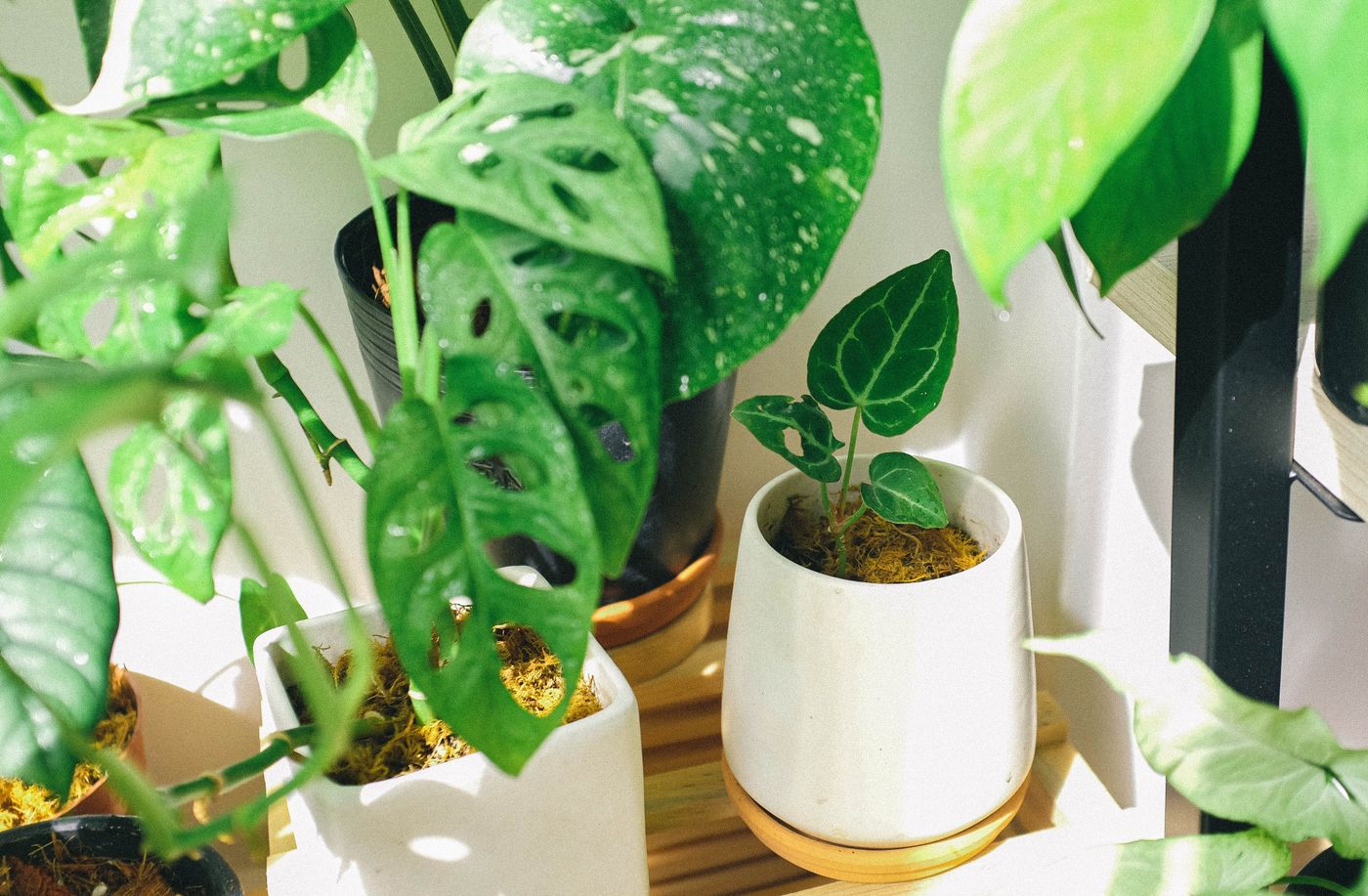
Choose Your Situation
For Feng Shui Plant Care as a Space Signal, choose the situation that matches why you opened this page.
Use rental-safe plant care as adjustments
Lease rules, budget, or fixed doors shape the plant care as a space decision.
Start here when taste, maintenance, natural light, budget, pets, children, rental limits, and existing finishes makes the ideal version unrealistic.Design choice for plant care as a spaceCheck the matching plant care as layout
A bed, desk, chair, door view, or anchor object changes placing, watering, pruning, observing light, and keeping living material healthy.
Use the room guide when the plant, pot, soil, light source, balcony edge, garden path, or watering routine changes placing, watering, pruning, observing light, and keeping living material healthy.Quick fix for plant care as a spaceRun the fastest plant care as check
One visible pressure around the plant, pot, soil, light source, balcony edge, garden path, or watering routine needs a first move.
Use this focused next page before reading another broad guide.Decor problem around plant care as a spaceCompare the closest fix page
A mirror, door, beam, clutter point, line, or object keeps pulling attention.
Use the fix page when the visible problem matters more than the broad method.Annual check for plant care as a spaceRead the annual sector carefully
The plant care as a space question depends on year, sector, date range, or activity level.
Use annual guidance only after checking date and sector activity.Method first for plant care as a spaceSeparate the method before acting
Two sources disagree or mix schools around plant care as a space.
Use this before blending form, Bagua, compass, Kua, or annual advice.Editorial Note
Room moment
In practice, feng shui plant care as a space signal shows up in the shopping moment before color, plant, light, or material has proved useful: the reader notices dry soil, damp smell, harsh sun, cold air, pests, and whether the plant makes the room feel alive or neglected around the plant, pot, soil, light source, balcony edge, garden path, or watering routine during daily use in an ordinary room, while a shared household has a partner, roommate, child, or visiting parent using the same path at a different hour.
Exception
If the household cannot point to yellowing leaves, cramped pots, dead corners, blocked windows, or plants used to hide another problem, keep feng shui plant care as a space signal as context rather than a task for the room.
Editor judgment
Editorial judgment: Prefer the fix that a reader can undo without regret after observing whether the plant looks healthier and the care routine is realistic after a week in the actual room.
Lived constraint check
Test feng shui plant care as a space signal in an ordinary constraint, such as a 10-by-12 work corner where the desk cannot face the door without screen glare, where two people want different things from the room: one wants quiet while another needs calls, homework, cooking, or laundry and the fixed outlet, router, plumbing, vent, or heater decides where the main object can realistically stay.
The useful question is not whether the room matches a perfect diagram. It is whether whether the plant can actually thrive in the available light and care schedule, yellowing leaves, cramped pots, dead corners, blocked windows, or plants used to hide another problem, and the plant, pot, soil, light source, balcony edge, garden path, or watering routine still support the people who actually live with the space.
Smallest move: use tape, a chair angle, a curtain, a tray, or one cleared surface to test whether placing, watering, pruning, observing light, and keeping living material healthy becomes easier.
Do not force it: stop when the change solves a rule on paper but creates more clutter, more cleaning, less privacy, or a tighter path in ordinary use.
How To Read This Decision
The page asks whether Feng Shui plant care as a space signal improves care, proportion, light, or reset before it becomes decor.
Ask What The Design Choice Helps
Feng Shui plant care as a space signal needs a practical job: better light, calmer scale, easier care, clearer path, softer view, or a more usable reset routine.
Test Care Before Meaning
A color, plant, lamp, object, or material fails if it adds upkeep, glare, crowding, dust, or worry. The room should become easier to maintain.
Use Symbolism As A Secondary Layer
Once the room works, the symbolic layer can support attention. It should not be the reason to keep an object that makes the space harder to use.
Keep The Visual Evidence Honest
Editorial method, Environmental psychology context, Feng Shui public context helps frame the page, but the final decision still depends on proportion, room use, and what the reader can observe at home.
Read Scale, Light, And Care
feng shui plant care as a space signal depends on the doorway, main position, path, light, or image in this room.
Feng Shui plant care as a space signal needs a practical job: better light, calmer scale, easier care, clearer path, softer view, or a more usable reset routine.
What The Object Changes
Start here when you need to tell whether test proportion first is present before treating feng shui plant care as a space signal as advice.
Choose whether Feng Shui plant care as a space signal helps scale, light, material, care, or daily reset before adding a decorative object.
- Feng Shui plant care as a space signal visible signal
Look for yellowing leaves, cramped pots, dead corners, blocked windows, or plants used to hide another. If the signal cannot be pointed to in the room, the page should stay as learning context instead of becoming an action list.
- Daily use test
Watch how placing, watering, pruning, observing light, and keeping living material healthy actually happens on an ordinary day. The right first move should make the routine easier without adding fear, clutter, or maintenance.
- Smallest reversible move
Choose the change that can be undone in minutes: a path clearing, angle shift, support improvement, light change, or calmer placement before any symbolic layer.
- Care and scale fit
Check whether the color, plant, object, material, or light level can be maintained and still fits the room scale after the first week.
Design Moves That Help
Use these moves only after the issue is visible and one small feng shui plant care as a space signal adjustment makes sense before decor.
- Best first move
Plant care as a space signal works best when the first move is practical: Adjust scale, placement, material, color weight, plant health, or lighting so the room becomes easier to use and reset. This is the strongest first move because it changes whether the plant can actually thrive in the available light and care schedule before asking the reader to believe a symbolic claim. Make the move small enough to reverse in one session. Then check whether the room is easier to enter, use, maintain, or settle before considering a second layer.
- If budget or care is limited
Plant care as a space signal still has a limited-budget or limited-care answer: When budget or rental rules block the ideal, edit one existing object before adding a new plant, mirror, color, or material. The goal is not to force an ideal version of the topic, but to reduce the part that makes placing, watering, pruning, observing light, and keeping living material healthy feel harder than it needs to be. When doors, windows, budget, ownership, or shared use block the perfect answer, the best fix is the one that removes one daily irritation without creating a new one.
- Small room or renter version
Plant care as a space signal should stay low-risk when the ideal version is unavailable. A small home or renter version can still make progress through better scale, healthier light, easier care, cleaner storage, or a more useful placement around the plant, pot, soil, light source, balcony edge, garden path, or watering routine. The change should be reversible and easy to explain. Before buying anything, try a placement edit, cleaning reset, lighting shift, closing habit, softer edge, or clearer path. If that improves use, the page has already done its job. When it does not improve use, stop and diagnose again instead of escalating into a larger purchase.
Element Language Without Overclaiming
Plant care as a space signal needs this method boundary: Design pages can use five-phase language, but decor must still serve the room. Design pages use five-phase and form-school language without reducing Feng Shui to decoration. That means the advice can suggest a cautious spatial experiment around the plant, pot, soil, light source, balcony edge, garden path, or watering routine, but it should not promise money, health, love, career, or fate outcomes. When a reader wants stronger certainty, the honest next step is to check which school is being used, what evidence the room actually shows, and whether a qualified practitioner would need personal context.
A Design Choice In A Lived-In Room
Plant care as a space signal can look ordinary in practice: a reader wants the symbolic benefit of a design choice, but the object may add clutter or care work. The visible clue is yellowing leaves, cramped pots, dead corners, blocked windows, or plants used to hide another problem, and the daily friction appears during placing, watering, pruning, observing light, and keeping living material healthy. They test the object at a smaller scale and watch whether the room becomes easier to care for. That example is useful because it gives the page a real before-and-after test: the room should become easier to enter, use, rest in, work in, clean, or explain. If it only sounds more auspicious but makes the routine harder, the adjustment has missed the point. The reader should also notice what did not change, because a room may need a practical repair, a different method, or no further Feng Shui action at all.
Test The Look In Use
Before you move anything: Plant care as a space signal pre-test note should record the object, color, plant, light, material, care load, and room function being tested. The note should include whether the plant can actually thrive in the available light and care schedule and one sentence about why the current room condition affects placing, watering, pruning, observing light, and keeping living material healthy. Before touching furniture or decor, add a doorway photo, a main-position note, and the constraint that limits the ideal fix. This gives the reader evidence to compare after the test.
When The Design Advice Changes
If the ideal change is possible: Plant care as a space signal ideal path: choose the version with the best light, scale, care load, material fit, and usefulness in the room. This is the cleanest path because it lets the reader compare the room before and after without adding several symbolic layers at once. When the change is possible, keep the test narrow: one room signal, one physical move, and one daily-use result connected to placing, watering, pruning, observing light, and keeping living material healthy.
Style Choices To Avoid
Pause here if the next move would add cost, fear, clutter, or method-mixing around feng shui plant care as a space signal.
- Changing too many things
Do not let Feng Shui plant care as a space signal turn into a full-room makeover. If several changes happen at once, the reader cannot tell which one helped normal use.
- Treating symbolism as proof
A symbol, number, sector, or old phrase can frame attention, but it does not prove a guaranteed result for health, money, relationships, or luck.
- Choosing a symbol that adds upkeep
A plant, color, lamp, object, or material is a poor fit when it creates more care, dust, glare, crowding, or visual pressure than it solves.
Choose The Next Design Check
Choose from here when the page diagnosis is clear and you need the next room, method, tool, or caution path.
Move next to a room guide or method page when the object, color, or plant choice depends on placement, care, light, or proportion. For Feng Shui plant care as a space signal, the next step should be chosen by whether the plant can actually thrive in the available light and care schedule, not by a generic related-articles list.
- If the object affects the room
Plant care as a space signal points to a room or problem guide when it shows up as physical friction. The useful comparison is the door, path, support, light, and storage issue the reader can actually see. If the plant, pot, soil, light source, balcony edge, garden path, or watering routine blocks movement, weakens support, adds glare, traps clutter, or makes the room harder to reset, the better follow-up is the guide that diagnoses that room condition before adding a new method. The next click should match the visible friction, not the most dramatic promise.
- If the method needs context
Plant care as a space signal becomes a basics or culture follow-up when the real issue is method confusion. The reader first needs to name whether form, Bagua, compass, Kua, annual timing, or cultural meaning is shaping the advice. If two sources give different instructions, the method labels should be compared before anything moves. That keeps a room-form fix, a calendar note, and a translation point from collapsing into one confusing instruction. The practical checkpoint is simple: if the source label changes the recommendation, read the method page before changing the room; if it does not, keep the physical observation in charge.
- If one placement test will answer it
Plant care as a space signal can stay in a quick tool path when the reader needs a decision more than another long guide. One reversible change around the plant, pot, soil, light source, balcony edge, garden path, or watering routine is enough; several fixes stacked together make the first result impossible to read. If the reader has only ten minutes, the useful move is a note, photo, clearing pass, light adjustment, or path check. After that, whether the plant looks healthier and the care routine is realistic after a week should decide whether a deeper guide is worth opening.
Sources and Image Notes
- Editorial basis: Design Inspiration language is treated as a traditional spatial vocabulary for Feng Shui plant care as a space signal, not as a prediction system. The practical reading starts with whether the plant can actually thrive in the available light and care schedule. It then looks for this visible signal during normal use: yellowing leaves, cramped pots, dead corners, blocked windows, or plants used to hide another problem. School differences, compass readings, Bagua overlays, Kua directions, and annual timing are named when they matter, but they do not override visible room evidence. Diagrams and room images are used to compare the plant, pot, soil, light source, balcony edge, garden path, or watering routine, support, path, light, clutter, and maintenance before changing decor. It is not evidence of wealth, health, relationship, career, fate, medical, legal, financial, or guaranteed personal outcomes.
- Reader fit: Plant care as a space signal targets readers who want a direct answer, a visible diagnosis, practical fixes, clear method boundaries, and enough cultural context to avoid fear-based advice.
- Reference anchors: Home-design references for color, material, plant care, lighting, scale, and maintenance; Five-phase language used as a design lens rather than a shopping command.
- Scope check: Plant care as a space signal is supported by home-design references, five-phase language, maintenance constraints, and room-function checks. The page does not claim a private practitioner reading or a measured outcome study. Plant care as a space signal evidence asks readers to verify whether the plant can actually thrive in the available light and care schedule for this specific design inspiration topic, then compare that with yellowing leaves, cramped pots, dead corners, blocked windows, or plants used to hide another problem and dry soil, damp smell, harsh sun, cold air, pests, and whether the plant makes the room feel alive or neglected.
- Visual source: Pexels License: free commercial use allowed; attribution is not required by Pexels. View source page.
- Image boundary: It does not show a Feng Shui result, a before-after proof, or a specific user's home.
References used for this page
Editorial method
Used for: Explains how this site separates traditional context, modern room observation, images, tools, and limits for Feng Shui plant care as a space signal.
This page takes: Feng Shui plant care as a space signal should lead to one observable room decision, not a blended rule made from every Feng Shui school at once.
Cannot prove: The method page is an editorial policy; it is not a practitioner credential, client case study, certification, or scientific outcome study.
Environmental psychology context
Used for: Checks the public term or tradition context before feng shui plant care as a space signal becomes advice about the plant, pot, soil, light source, balcony edge, garden path, or watering routine.
This page takes: Feng Shui plant care as a space signal is treated as a bounded educational topic: the page uses the reference to name the idea, then asks whether whether the plant can actually thrive in the available light and care schedule and yellowing leaves, cramped pots, dead corners, blocked windows, or plants used to hide another problem are visible in the room.
Cannot prove: The reference does not prove that feng shui plant care as a space signal creates wealth, health, relationship, career, fate, or any guaranteed personal outcome.
Feng Shui public context
Used for: Names the method or cultural lens that can shape feng shui plant care as a space signal without turning it into a universal rule. Used to keep decorative advice tied to spatial tradition instead of shopping claims.
This page takes: Feng Shui Plant Care as a Space Signal uses this reference to compare whether the plant can actually thrive in the available light and care schedule, yellowing leaves, cramped pots, dead corners, blocked windows, or plants used to hide another problem, and the plant, pot, soil, light source, balcony edge, garden path, or watering routine before recommending a small change.
Cannot prove: This reference does not validate a personal reading, replace an on-site professional, or prove that the suggested action will create a guaranteed result.
Houseplant care context
Used for: Keeps feng shui plant care as a space signal grounded in room function, planning, light, circulation, material, care, or maintenance. Used when plants appear so care, light, maintenance, and household fit matter more than symbolism.
This page takes: Feng Shui Plant Care as a Space Signal uses this reference to compare whether the plant can actually thrive in the available light and care schedule, yellowing leaves, cramped pots, dead corners, blocked windows, or plants used to hide another problem, and the plant, pot, soil, light source, balcony edge, garden path, or watering routine before recommending a small change.
Cannot prove: This reference does not validate a personal reading, replace an on-site professional, or prove that the suggested action will create a guaranteed result.
Why these sources fit this page
Feng Shui Plant Care as a Space Signal method boundary
Supports: Plant care as a space signal is framed through design pages use five-phase and form-school language without reducing feng shui to decoration. so the page can name the method before offering a room decision.
Cannot prove: It cannot prove a personal result, settle all school disagreements, or replace an on-site practitioner who can measure the home.
Feng Shui Plant Care as a Space Signal observable room basis
Supports: The advice is checked against whether the plant can actually thrive in the available light and care schedule, yellowing leaves, cramped pots, dead corners, blocked windows, or plants used to hide another problem, and the way the plant, pot, soil, light source, balcony edge, garden path, or watering routine changes ordinary household use.
Cannot prove: It is an editorial observation framework for modern living, not a controlled study of wealth, health, relationships, career, or fate.